Medical Department - Ophthalmology
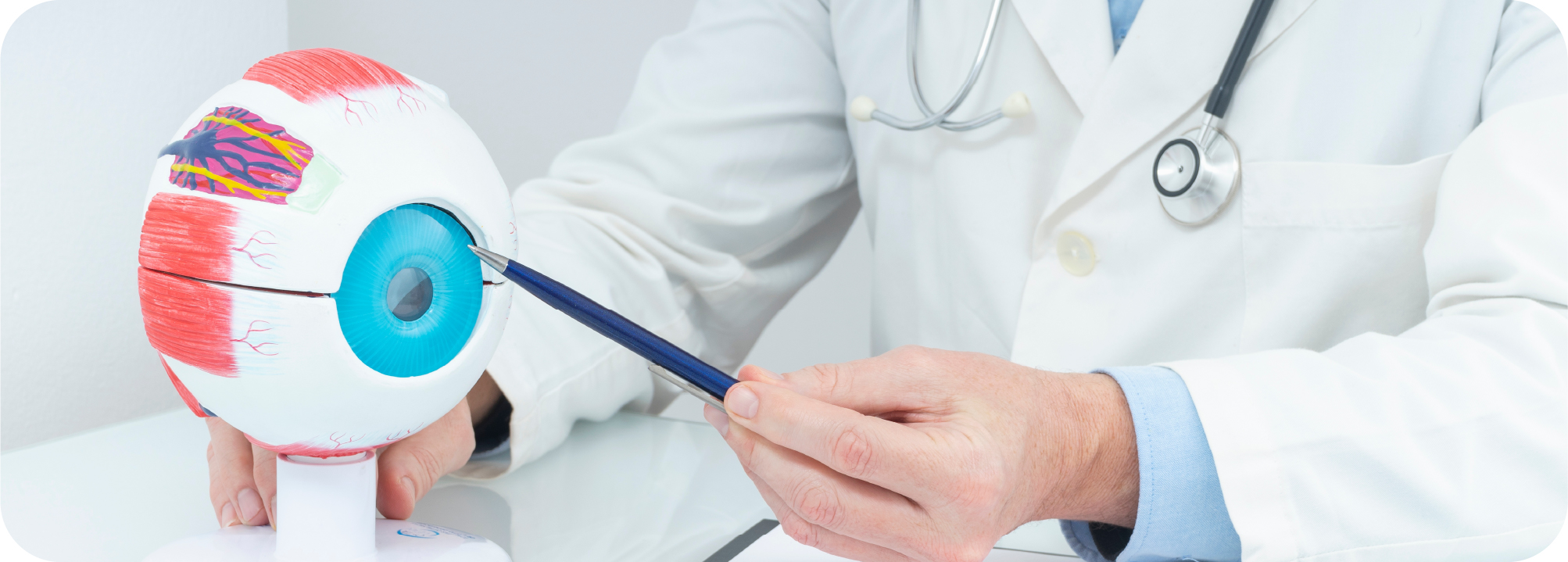
Ophthalmology
Welcome to the Ophthalmology Department at Care Hospital, where our team of specialized ophthalmologists, eye surgeons, and optometrists provides comprehensive, advanced care for all eye diseases to achieve the best possible vision and ocular health.
At Care Hospital, we offer precise diagnosis of eye diseases and refractive errors using the latest equipment and advanced medical technologies, with a focus on providing surgical and medical solutions that ensure optimal outcomes and the highest safety standards.
In our department, we provide a wide range of therapeutic and surgical ophthalmology services, from comprehensive eye examinations and disease diagnosis to the latest eye surgeries and modern refractive procedures.
Procedures and interventions we offer:
- Advanced LASIK for vision correction
- Laser vision correction using the latest techniques
- Cataract surgery
- Medical and surgical management of glaucoma
- Advanced retinal surgery and intravitreal injections
- Specialized treatment of diabetic retinopathy
- Corneal transplantation and corrective corneal surgery
- Strabismus treatment for children and adults
- Cosmetic and functional eyelid surgery
- Excision of ocular and eyelid tumors and cysts
Conditions we treat:
- Refractive errors (myopia, hyperopia, astigmatism)
- Retinal and macular diseases
- Acute and chronic eye inflammations
- Ocular injuries and trauma
- Pediatric eye diseases and strabismus
- Advanced dry eye disease
- Ocular and eyelid tumors
- Corneal and conjunctival diseases
- Optic nerve disorders
- Complications of chronic eye conditions
Our additional services and technologies:
- Comprehensive vision assessment with the latest devices
- Advanced retinal and fundus imaging
- Intraocular pressure measurement and glaucoma screening
- Corneal examinations
- Comprehensive candidacy evaluation for refractive surgery
- Subspecialty consultations across all ophthalmic disciplines
- Postoperative follow-up programs
- Periodic eye examinations for preventive care
- Emergency services for eye injuries
Our subspecialties:
- Retina and vitreous surgery
- Corneal surgery and refractive procedures
- Pediatric ophthalmology and strabismus
- Cataract and glaucoma surgery
- Oculoplastic and reconstructive ophthalmology
- Medical retina
- Ocular tumor surgery
The Ophthalmology Department combines the latest surgical and medical technologies with broad expertise across all eye subspecialties. We believe that eye health deserves the highest level of specialized care and attention.
We provide advanced diagnostic and therapeutic services with treatment plans tailored to each patient’s condition and visual needs. This includes the latest ophthalmic surgeries, regular medical follow-up, and comprehensive long-term care.
Book your consultation today at the Ophthalmology Department to receive the best care for your eyes and begin your journey toward clearer vision and optimal eye health.
What sets our Ophthalmology Department apart?
In our department, all medical and surgical eye services are provided under one roof by a specialized, multidisciplinary team that combines experience and breadth of expertise. The team includes:
- Consultants in vitreoretinal surgery for complex retinal diseases
- Specialists in cataract and glaucoma surgery using the latest techniques
- Experts in LASIK and advanced refractive technologies
- Specialists in pediatric ophthalmology and strabismus care
- Consultants in corneal transplantation and corrective corneal surgery
- Experts in oculoplastic procedures and eyelid surgery
What is the difference between LASIK and other vision-correction techniques?
LASIK is the most common and suits many cases. PRK is suitable for thin corneas, and the newer SMILE technique may reduce dry-eye symptoms. The appropriate option is determined by corneal evaluation and the degree of refractive error.
Is LASIK safe, and what is its success rate?
Yes. LASIK is very safe, with success rates exceeding 95% when performed by experienced surgeons using modern equipment. Most people achieve 20/20 vision or better.
How do I know if I am a candidate for vision correction?
A comprehensive assessment is required, including visual acuity testing, corneal mapping and thickness measurement, and dry-eye evaluation. Stable refraction for one year, age over 18, and absence of other eye diseases are typically required.
What is the difference between cataract and glaucoma?
A cataract is clouding of the eye’s natural lens that blurs vision and is treated surgically. Glaucoma is elevated eye pressure that damages the optic nerve and is treated with medications or surgery.
Can diabetic retinopathy be treated?
Yes. Options include intravitreal injections of anti-angiogenic medications, laser therapy, and surgery in advanced cases.
When should a child have an eye exam?
Eye examinations are recommended at 6 months, 3 years, and before starting school. If you notice signs such as strabismus, frequent eye rubbing, or difficulty seeing, visit an ophthalmologist promptly.
What are the signs of glaucoma, and can it be prevented?
Glaucoma can be silent at first. Symptoms may include loss of peripheral vision, eye pain, and halos around lights. Regular screening—especially after age 40—helps with early detection and prevention of vision loss.
Is corneal transplantation a risky procedure, and what is the success rate?
Corneal transplantation is generally safe, with success rates up to 90% in most cases. It is usually performed under local anesthesia and requires long-term follow-up.
How do I manage dry eye?
Management includes artificial tears, avoiding direct airflow, using ocular lubricants, and in severe cases punctal occlusion or anti-inflammatory medications.
What are the latest techniques in cataract surgery?
We use phacoemulsification (ultrasound) with advanced intraocular lenses, including multifocal and toric options, which can reduce the need for glasses after surgery.
Can multiple eye procedures be done at the same time?
In some cases, procedures can be combined—for example, cataract removal with vision correction—but this requires careful evaluation by the specialist.
What is the difference between pseudostrabismus and true strabismus?
True strabismus is an actual misalignment of the eyes, while pseudostrabismus is an apparent misalignment caused by facial or eyelid features in children. True strabismus requires treatment; pseudostrabismus usually improves as the child grows.
Do prescription glasses weaken eyesight over time?
No. Glasses do not weaken eyesight; they correct refractive errors. Natural changes in vision occur with age regardless of wearing glasses. Regular eye exams are important to update the prescription.
When is emergency eye surgery needed?
Emergent surgery may be required for retinal detachment, penetrating eye injuries, acute angle-closure glaucoma, or severe eye infections. Immediate intervention is critical to preserve vision.
Can age-related vision decline be prevented?
Age-related decline can be delayed with regular checkups, a healthy diet rich in antioxidants, UV protection, and good control of chronic conditions such as diabetes and hypertension.