
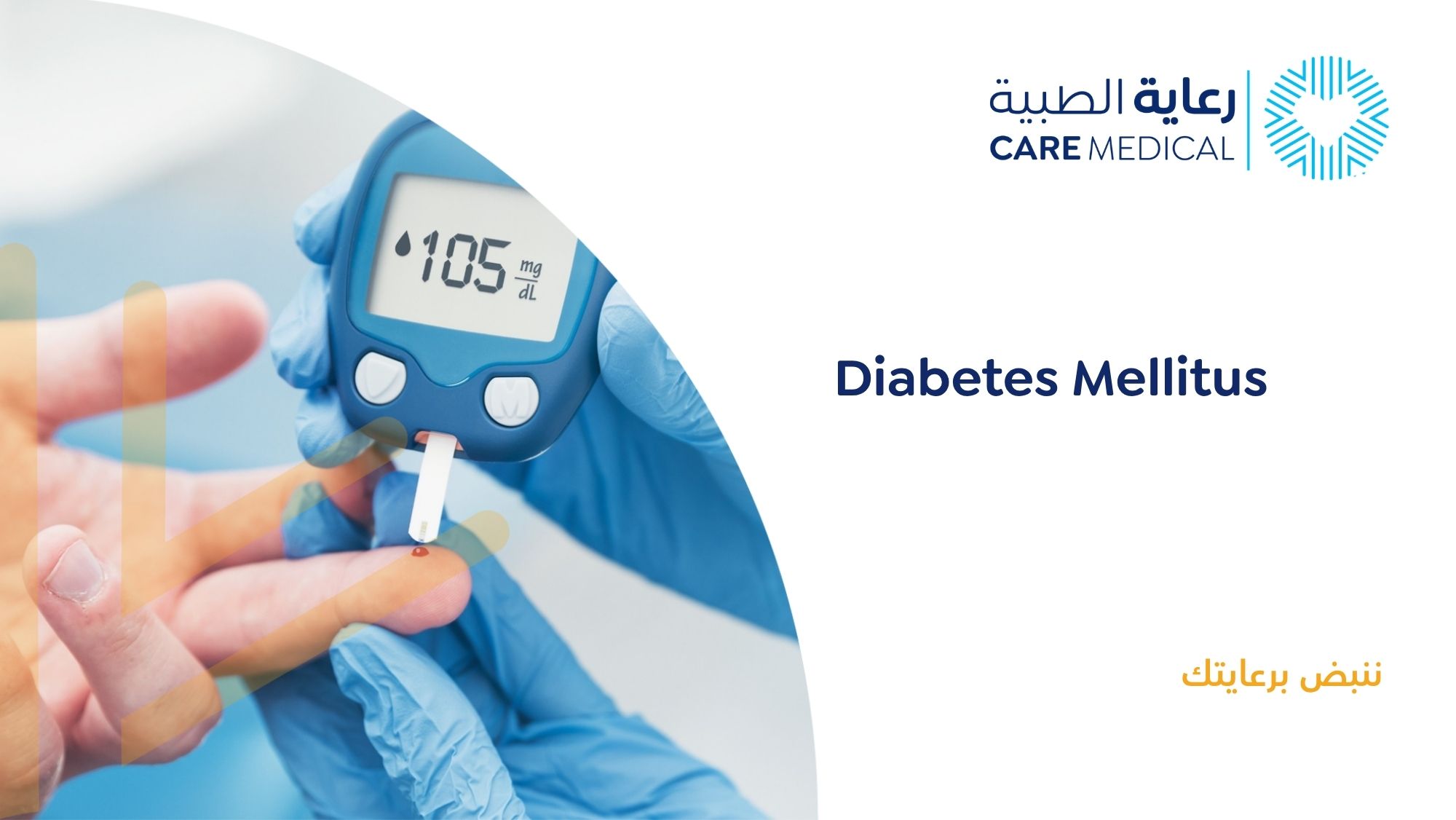
Diabetes mellitus, commonly referred to as diabetes, is a chronic condition characterized by elevated blood glucose levels resulting either from impaired insulin production- the hormone responsible for regulating blood sugar—or from the body’s resistance to the action of insulin.
Types of Diabetes:
Type 1 Diabetes: This form occurs when the pancreas completely or almost completely ceases insulin production. It is relatively rare and typically manifests at an early age.
Type 2 Diabetes: This type develops when blood glucose regulation is disrupted due to insulin resistance. It is the most prevalent form of diabetes and may occur at any age. It is commonly associated with genetic predisposition and lifestyle-related factors.
Gestational diabetes occurs during pregnancy and often improves or resolves after childbirth. However, women who develop gestational diabetes have a higher risk of developing type 2 diabetes later in life.
The treatment of diabetes depends on the type of the condition and the individual patient’s circumstances. In cases of type 1 diabetes, treatment relies on insulin injections to compensate for the body’s lack of insulin. For type 2 diabetes, blood glucose levels are typically managed through lifestyle modifications, including healthy nutrition and regular physical activity, in addition to glucose-lowering medications prescribed by a physician.
Patients are advised to adhere strictly to their treating physician’s recommendations, follow the prescribed treatment plan, monitor blood glucose levels regularly, maintain a healthy body weight, and keep blood pressure and blood lipid levels under control.