
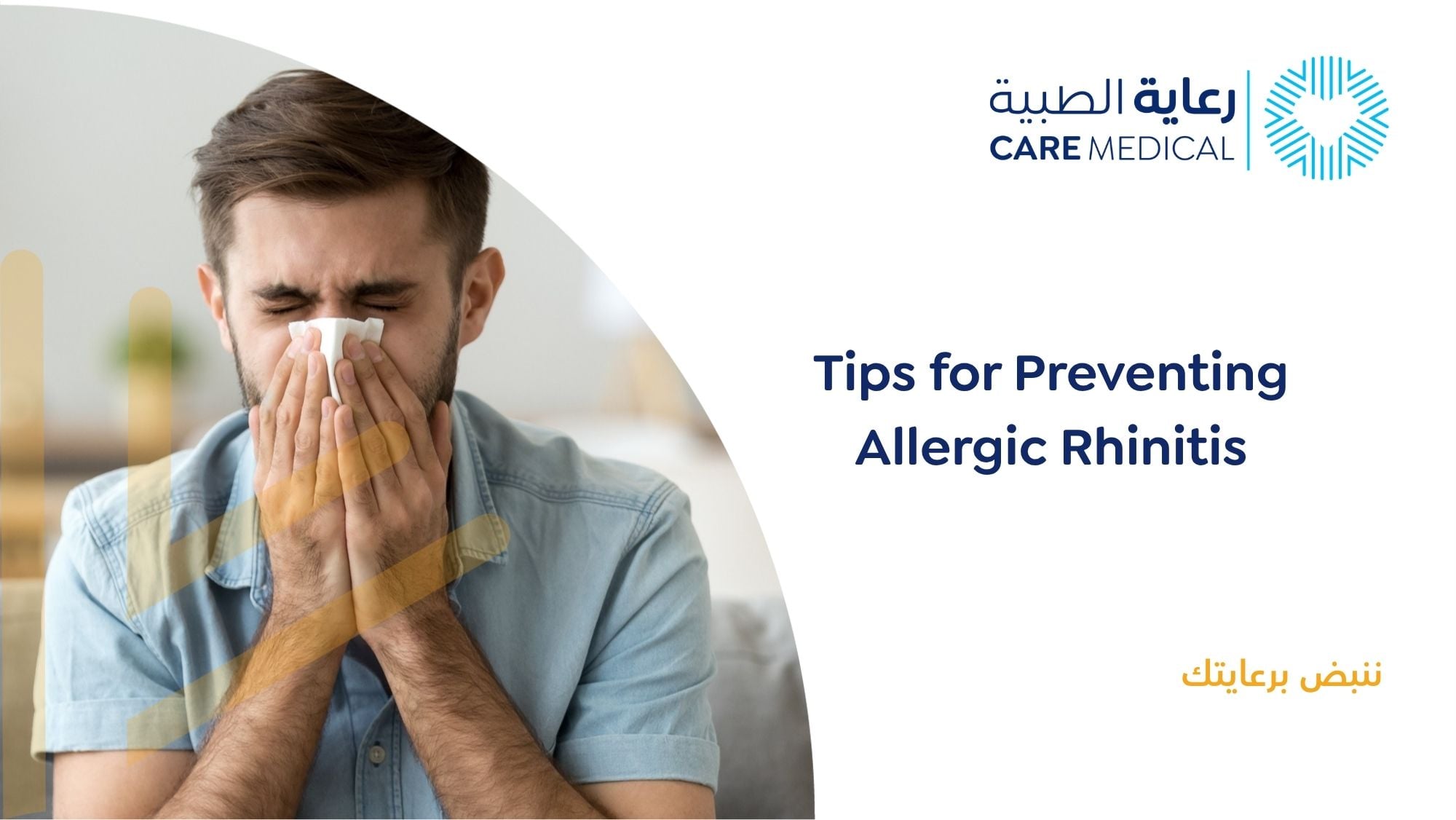
Nasal allergies are a common health issue affecting many people, causing bothersome symptoms such as sneezing, runny nose, and itching. Pollen is one of the main triggers of nasal allergies, and its levels increase during certain times of the year. In this context, some simple measures can be followed to prevent nasal allergies and relieve their symptoms. The following is a closer look at these effective tips:
- Avoid Mowing the Lawn: If grass triggers sneezing, the person should ask someone else to mow the lawn for them. Although this may seem obvious, many people do not consider it.
- Apply Vaseline inside the Nostrils: The person should coat the inside of their nostrils with Vaseline, as it acts as a filter for pollen dust.
- Choose the Right Times: One should avoid staying outdoors between 4:00 PM and 7:00 PM, or early in the morning, as pollen levels are at their highest during these times. If going outside or hanging laundry is necessary, it should be done between 10:00 AM and 3:00 PM.
- Closing windows: The person should not sleep or drive with the windows open, as this would allow pollen to enter.
- Regular dusting: Dust should be wiped with a damp cloth, not a dry one, as using a dry cloth can spread dust throughout the area.
- Hair washing: Pollen has a sticky consistency and may remain in a person’s hair, potentially transferring to their pillow during sleep and affecting them overnight. Therefore, if a person goes outside in the evening, they should wash their hair before bedtime, as clean hair can help improve sleep quality.
- Vacuuming: Pollen can survive in carpets for up to three months, so it should be removed using a vacuum cleaner
- Reviewing medications: A person should consult their doctor or pharmacist regarding any treatment they are taking for allergic rhinitis, as trying a new therapy may be beneficial.
Continuously using the same antihistamine (allergy medication) over time may become less effective. Therefore, it may be helpful to try something different, such as a nasal spray or a new anti-allergy medication.
- Do not ignore allergic rhinitis: Allergic rhinitis can make daily life uncomfortable and exhausting due to sneezing, watery eyes, runny nose, and throat itching. However, effective treatments are available to improve symptoms.
Allergic rhinitis can also increase the risk of developing asthma, as there is a well-established link between allergic rhinitis and asthma.