
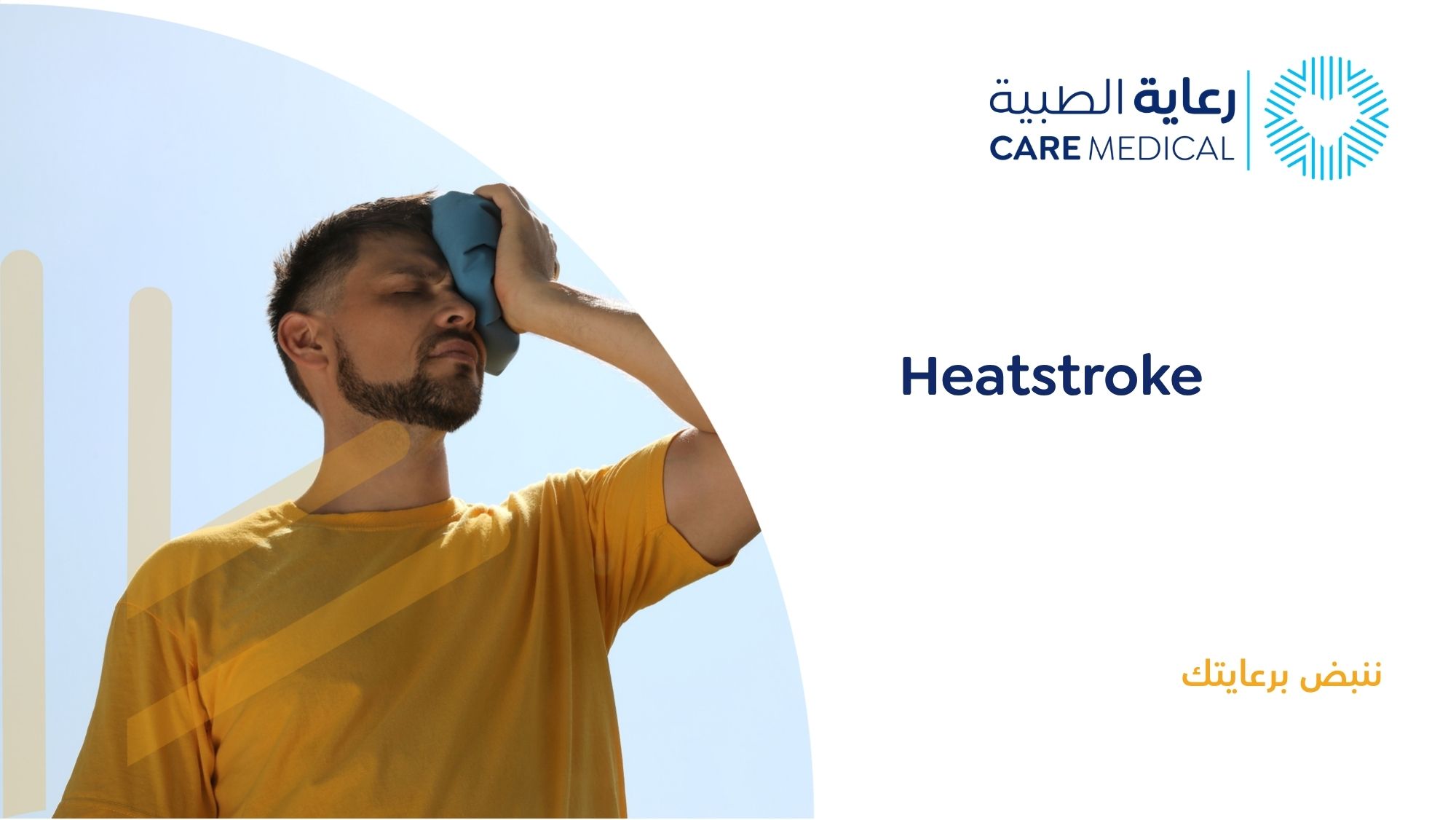
Heatstroke, also known as sunstroke, occurs when the body temperature rises to 40°C or higher, and the body is unable to cool itself and regulate its temperature.
Heatstroke usually results from prolonged exposure to high temperatures, whether during work, physical activity, or even while sitting in hot environments.
Heatstroke is considered a medical emergency that requires immediate medical attention and first aid. If not treated promptly, it can lead to serious health complications, potentially causing damage to vital organs and, in some cases, may result in death.
Heatstroke occurs mainly for two reasons:
- Exposure to hot weather: High temperatures can cause heatstroke in children, the elderly, and individuals with chronic illnesses, even without any physical activity. Simply being in a hot environment may trigger heat-related illness. This risk increases with inadequate fluid intake or wearing heavy clothing that limits air circulation.
- Physical activity in hot weather: Exercising or performing in any physical activity in hot weather increases the likelihood of heatstroke. Ignoring early symptoms of heatstroke can lead to its worsening.
Symptoms of Heatstroke:
- Elevated body temperature: Body temperature may rise above 40°C, and in very severe cases, it can reach 41°C. This poses a serious risk, as it may lead to loss of consciousness or even death.
- Mental changes: Symptoms related to mental status include irritability, hallucinations, difficulty speaking or understanding others, and seizures, particularly in children. Loss of consciousness may also occur.
- Changes in sweating: In heatstroke caused by hot weather, the skin is hot and dry to the touch. However, in heatstroke resulting from strenuous physical activity in hot conditions, the skin may appear moist.
- Increased breathing.
- Redness of the skin.
- Sudden loss of consciousness: This is one of the most serious symptoms of heatstroke. Systolic blood pressure may drop below 100 mmHg, and the pulse becomes weak.
How long do heatstroke symptoms last?
Heatstroke symptoms usually last 24 to 48 hours if no serious complications occur, although sensitivity to sunlight may persist for up to a week.
Medical assistance should be sought immediately to transport the patient to a hospital. However, there are some important first-aid measures to help manage the symptoms of heatstroke as much as possible while waiting for professional care. These include:
- Move the patient out of direct sunlight and place them in a shaded or air-conditioned area. Using a fan next to the patient is recommended, as proper ventilation helps stimulate sweating and evaporation.
- Cool the patient’s body by removing unnecessary clothing, placing them in a cold bath, pouring cold water over their body, or applying wet clothing to their skin.
- It is important to monitor the patient’s temperature using a thermometer and to stop cooling once the body temperature falls to between 3°C and 38.8°C.
- Encourage the patient to drink cold fluids, while avoiding any beverages containing caffeine or alcohol.
How to Prevent Heatstroke?
Certain preventive measures can reduce the risk of heatstroke. Special attention should be paid if any symptoms of heatstroke appear in children, infants, or the elderly, especially during extreme heat waves. When going outdoors in hot conditions, it is recommended to follow the following preventive measures to minimize the risk of heatstroke:
- Wear loose, light-colored clothing when exposed to sun, as dark clothing absorbs heat and increases body temperature.
- Drink enough fluids throughout the day to prevent heatstroke and reduce early symptoms, since dehydration and electrolyte loss can lead to serious complications.
- Drink fluids every 15–20 minutes, even if you do not feel thirsty.
- Avoid prolonged exposure to direct sunlight whenever possible.
- Avoid strenuous physical activity in extremely hot conditions, such as walking long distances.
- Never leave children or elderly individuals in a closed car, even if the windows are open.
- Monitor for early signs of heatstroke and treat them promptly.
- Apply sunscreen with a sun protection factor (SPF) of 15 or higher when going outdoors during the day.
- Be cautious when taking medications that may affect the body’s ability to maintain hydration or regulate heat.