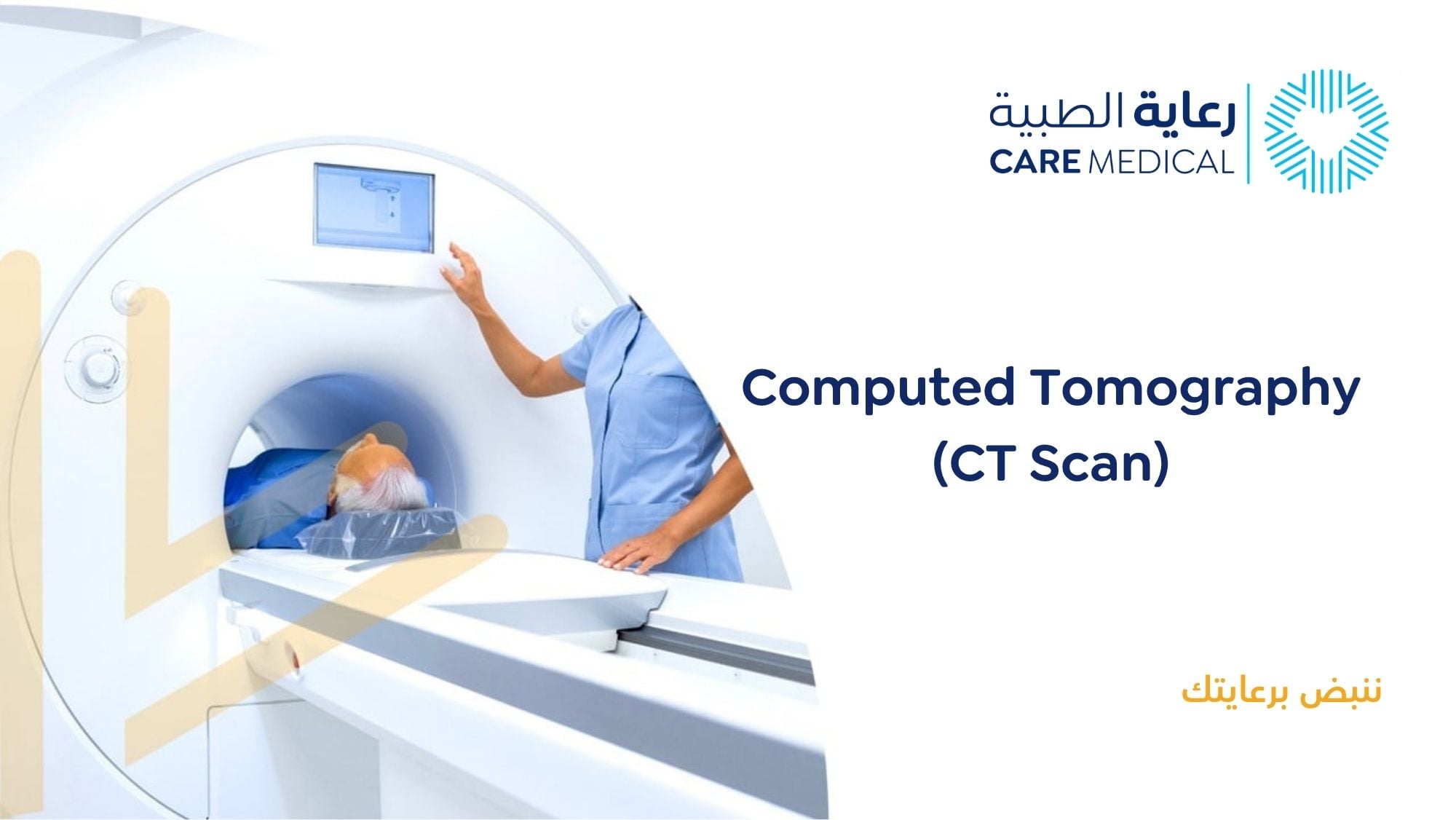
A CT scan is a medical imaging technique that uses X-rays and computer processing to create cross-sectional images of the body, including bones, blood vessels, and internal organs.
Purpose of a CT Scan:
It is used to diagnose various conditions, such as locating infections, blood clots, and musculoskeletal disorders. It is also used to monitor the effectiveness of treatments and detect internal injuries.
Before the Examination: Inform the Doctor or Radiologist about:
Allergies: Notify them of any allergies, as premedication may be required.
Pregnancy: Inform them of a known or possible pregnancy to avoid exposing the fetus to radiation.
Kidney Function Tests: These are required if you have chronic conditions like hypertension (high blood pressure) or diabetes, or if you are 60 years of age or older.
Medications: You may need to stop taking certain medications, such as diabetes drugs (Metformin), and resume them only according to the doctor's instructions.
Fasting
Instructions must be strictly followed; you may be required to fast for 6 to 8 hours. Prior to the fasting period, it is recommended to drink plenty of fluids and eat light meals.
During the Examination
Positioning: The patient lies on a table that slides into the scanner. The device captures images from various angles, which the computer then reconstructs into axial and longitudinal views of the target area for the radiologist to interpret.
Duration & Movement: The procedure takes only a few minutes. You must remain perfectly still, and you may be asked to hold your breath at specific intervals.
After the Examination
If a contrast agent (dye) was used, you may be instructed to drink plenty of water and fluids to help flush it out of your system.