
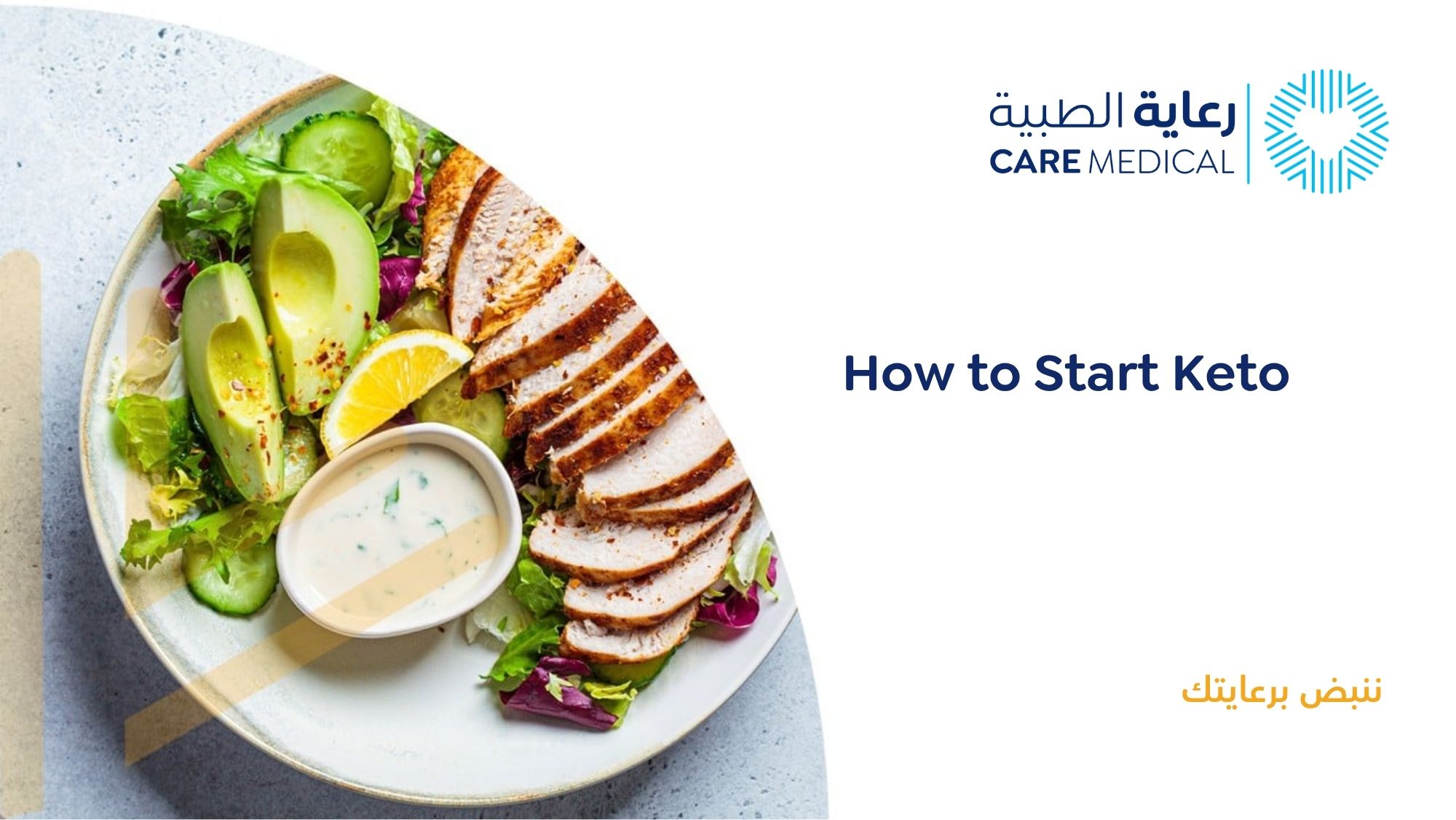
How to Start Keto the Right Way: A Practical Beginner’s Guide
The ketogenic diet (keto diet) is a low-carbohydrate, high-fat diet designed to shift the body into a metabolic state called ketosis. In this state, the body burns fat instead of carbohydrates as its primary energy source, which may aid in weight loss and overall health improvement.
A ketogenic diet can significantly reduce blood sugar and insulin levels while offering various health benefits.
Types of Keto Diet:
- Standard ketogenic diet (SKD): A low-carb, moderate-protein, high-fat diet, typically consisting of 70% fat, 20% protein, and 10% carbohydrates.
- Cyclical ketogenic diet (CKD): Involves alternating between keto and higher-carb intake, such as five keto days followed by two days of carbohydrate consumption
- Targeted ketogenic diet (TKD): Allows for carb intake around workout times to support high-intensity exercise.
- High-protein ketogenic diet: Similar to the standard keto diet but with a higher protein intake, typically 60% fat, 35% protein, and 5% carbohydrates.
How to Achieve Ketosis?
To enter ketosis, carbohydrate intake must be reduced to approximately 20–50 grams per day while increasing fat intake through foods like meat, fish, eggs, nuts, and healthy oils. It is important to consume moderate amounts of protein, as excess protein can be converted into glucose, potentially slowing the process of ketosis. Intermittent fasting may also help accelerate this transition.
Benefits of the Keto Diet:
- Weight loss: Studies suggest that the keto diet may be more effective for weight loss than low-fat diets.
- Diabetes and prediabetes: The keto diet can improve insulin sensitivity and promote fat loss, which may benefit individuals with type 2 diabetes or prediabetes
- Other health benefits: The keto diet may provide benefits for various health conditions, including heart disease, cancer, Alzheimer’s disease, epilepsy, Parkinson’s disease, polycystic ovary syndrome, and brain injuries.
Foods to Avoid on the Keto Diet
- Sugary foods: Soft drinks, juices, cakes, candy.
- Grains and starches: Wheat-based products, rice, pasta, cereals.
- Fruits: Most fruits except for small amounts of berries like strawberries.
- Legumes: Peas, beans, lentils, chickpeas.
- Root vegetables and tubers: Potatoes, sweet potatoes, carrots.
- Low-fat products: Many low-fat dairy products.
- Unhealthy fats: Processed vegetable oils.
- Alcohol: Many alcoholic beverages due to their carbohydrate content.
Foods Allowed on the Keto Diet
- Meat: Red meat, steak, chicken, turkey.
- Fatty fish: Salmon, trout, tuna, mackerel.
- Eggs: Whole eggs, preferably with omega-3.
- Butter and cream.
- Cheese: Unprocessed cheeses like cheddar and mozzarella.
- Nuts and seeds: Almonds, walnuts, flaxseeds, chia seeds.
- Healthy oils: Extra virgin olive oil, coconut oil, avocado oil.
- Low-carb vegetables: Leafy greens (such as arugula and spinach), tomatoes, onions, cucumbers, bell peppers, cauliflower, broccoli, zucchini.
Potential Side Effects of the Keto Diet and How to Reduce Them:
Some people may experience "keto flu," which includes symptoms such as diarrhea, constipation, and vomiting. To minimize these effects, it may help to follow a low-carb diet for a few weeks before transitioning to keto. Adding salt and minerals to the diet can also help balance water and electrolyte levels.
Possible risks: Long-term risks of the keto diet may include low blood protein levels, fat accumulation in the liver, kidney stones, and micronutrient deficiencies (such as vitamins, magnesium, and selenium). It is advisable to consult a doctor before starting the keto diet, especially for individuals taking medications like dapagliflozin for type 2 diabetes, as these drugs can increase the risk of diabetic ketoacidosis. The keto diet is not recommended for individuals with:
- Pancreatic diseases.
- Liver diseases.
- Thyroid disorders.
- Eating disorders or a history of eating disorders.
- Gallbladder inflammation.
- Chronic kidney disease.
Common Questions and Scientific Facts:
Can you return to eating carbohydrates later?
The answer is yes, but with caution. It is advisable to strictly follow the diet for the first few months and then reintroduce carbohydrates in limited amounts on special occasions, returning to keto immediately afterward.
What about muscle loss?
The keto diet raises concerns about muscle loss, which can occur with any diet. However, high ketone levels combined with sufficient protein intake may help minimize muscle loss, particularly when engaging in strength training. While muscle building is possible on keto, it may be less efficient compared to moderate-carb diets.
Is feeling tired and fatigued normal?
Some people on the keto diet experience fatigue, which may indicate incomplete ketosis or inefficient fat metabolism. This can be addressed by further reducing carb intake, using exogenous ketones (such as acetoacetate supplements), or consuming medium-chain triglyceride (MCT) oils like coconut or palm oil.
Do strange odors indicate the diet is working?
Some people notice a fruity smell in their urine or an unpleasant breath odor. This is normal and indicates the elimination of ketone byproducts. Drinking naturally flavored water or chewing sugar-free gum can help reduce these odor.
Is ketosis dangerous?
There is often confusion between ketosis (a natural state induced by the keto diet) and ketoacidosis (a dangerous condition caused by extremely high blood sugar levels in diabetics). In healthy individuals, ketosis is generally safe, but consulting a doctor before starting any new diet is essential.
How to manage digestive issues?
Some people may experience digestive problems and diarrhea, which usually subside within three to four weeks. Eating more fiber-rich vegetables can help maintain digestive health.
Is there a difference between the keto diet and the ketogenic diet?
No, both terms refer to the same diet.
How much weight can be lost in the first week?
Initial weight loss is usually due to water loss and can range from 0.5 kg to 5 kg or more, depending on individual response.
Is the keto diet suitable for everyone?
The keto diet may benefit individuals with obesity, diabetes, or metabolic disorders, but it may not be ideal for professional athletes or those looking to gain significant muscle mass. Its sustainability depends on lifestyle and dietary preferences.
Conclusion:
The ketogenic diet helps the body burn fat instead of carbohydrates, potentially promoting weight loss and improving certain health conditions. However, its long-term effects require further research, so it is always advisable to consult a doctor before following this diet for an extended period.
References:
Note:
- This medical content was written by a specialist doctor.
- Last updated March 10, 2025.