
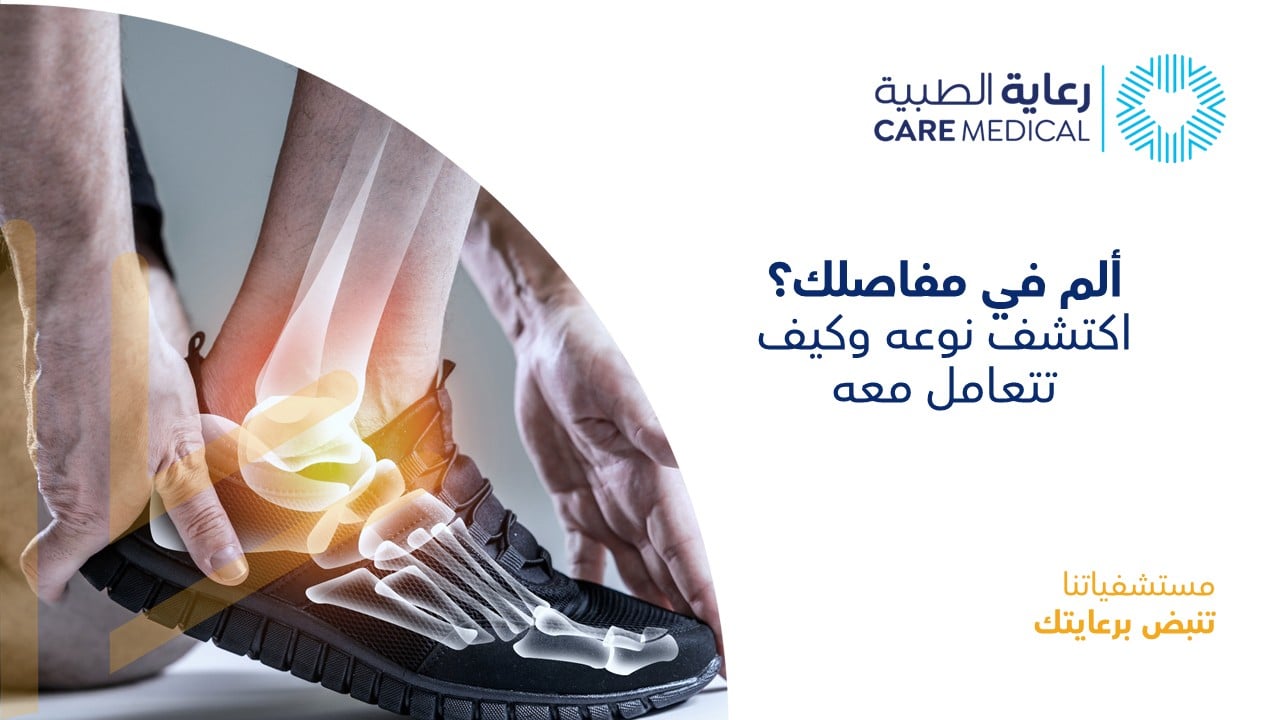
What is Arthritis?
What are its Causes, and Methods of Management?
Arthritis is not a single disease but rather an umbrella term that refers to more than 100 conditions affecting the joints, surrounding tissues, and connective structures of the body. It is primarily characterized by inflammation, swelling, stiffness, and pain in one or more joints.
Joints are the areas where two bones meet, allowing movement and flexibility. In healthy joints, cartilage—a smooth, cushioning tissue—protects the ends of bones and enables frictionless motion. In arthritis, this balance is disrupted, leading to discomfort and reduced mobility.
The most common forms of arthritis include osteoarthritis and rheumatoid arthritis. Osteoarthritis involves the gradual breakdown of cartilage due to wear and tear, while rheumatoid arthritis is an autoimmune condition in which the immune system mistakenly attacks joint tissues.
Arthritis is highly prevalent worldwide and is a leading cause of disability, particularly among older adults. However, it can affect individuals of all ages, including children.
What Are the Main Types of Arthritis?
Arthritis encompasses a wide range of conditions, but several major types are most commonly encountered:
- Osteoarthritis (OA): The most common form, caused by degeneration of cartilage over time.
- Rheumatoid Arthritis (RA): An autoimmune disorder that attacks joint linings.
- Gout: Caused by the accumulation of uric acid crystals in joints.
- Psoriatic Arthritis: Associated with psoriasis, affecting both skin and joints.
- Ankylosing Spondylitis: Affects the spine and can lead to fusion of vertebrae.
Each type has distinct mechanisms, but they share common features such as inflammation, pain, and impaired function.
What Causes Arthritis?
The causes of arthritis vary depending on the type, but they can generally be categorized into several major mechanisms:
- Degenerative Causes (Wear and Tear)
In osteoarthritis, repeated use of joints over time leads to the breakdown of cartilage. As cartilage deteriorates, bones begin to rub against each other, causing pain and stiffness.
- Autoimmune Reactions
In conditions such as rheumatoid arthritis, the immune system attacks the synovial membrane (joint lining), leading to inflammation and eventual joint destruction.
- Crystal Deposition
Gout results from the accumulation of uric acid crystals in joints, triggering sudden and severe inflammation.
- Infections
Certain infections can directly affect joints, causing septic arthritis or triggering inflammatory responses.
- Underlying Diseases
Conditions such as lupus or psoriasis can contribute to the development of arthritis.
What Are the Risk Factors for Arthritis?
Several factors increase the likelihood of developing arthritis:
- Age: Risk increases with advancing age.
- Genetics: Family history plays a significant role.
- Sex: Women are more prone to rheumatoid arthritis, while men are more affected by gout.
- Obesity: Excess weight places additional stress on joints.
- Joint Injuries: Previous injuries can predispose joints to arthritis.
Lifestyle Factors: Smoking and lack of physical activity contribute to risk.
What Are the Symptoms of Arthritis?
Symptoms vary depending on the type and severity of arthritis, but common manifestations include:
- Core Symptoms
- Joint pain.
- Stiffness.
- Swelling.
- Reduced range of motion.
- Additional Symptoms
- Redness or warmth around joints.
- Tenderness.
- Fatigue (especially in autoimmune types).
In many cases, symptoms worsen over time and may significantly affect daily activities and quality of life.
How Is Arthritis Diagnosed?
Diagnosis involves a combination of clinical evaluation and diagnostic testing:
- Medical History and Physical Examination
Doctors assess symptoms, joint function, and risk factors.
- Laboratory Tests
Blood tests can detect inflammation, autoimmune markers, or uric acid levels.
- Imaging Studies
- X-rays to detect joint damage.
- MRI or CT scans for detailed imaging.
- Ultrasound for soft tissue evaluation.
- Joint Fluid Analysis
Fluid extracted from joints can help identify infection or crystal-related arthritis.
These diagnostic tools help determine both the type and severity of arthritis, guiding treatment decisions.
What Are the Methods of Management and Treatment?
Although arthritis often has no definitive cure, it can be effectively managed through a combination of medical and lifestyle approaches.
- Medications
- NSAIDs (Nonsteroidal Anti-Inflammatory Drugs): Reduce pain and inflammation.
- Corticosteroids: Control inflammation and slow joint damage.
- DMARDs (Disease-Modifying Antirheumatic Drugs): Used in autoimmune arthritis to slow disease progression.
- Analgesics: Provide pain relief.
- Physical Therapy
Physical therapy helps improve joint flexibility, strengthen muscles, and enhance mobility. Regular exercise is essential in maintaining joint function.
- Lifestyle Modifications
- Weight management to reduce joint stress.
- Regular low-impact exercise (e.g., swimming).
- Balanced nutrition.
- Avoiding smoking.
These measures can significantly reduce symptoms and slow disease progression.
- Assistive Devices
Devices such as braces, canes, or shoe inserts can help reduce strain on joints and improve daily functioning.
- Surgical Interventions
In severe cases, surgery may be required:
- Joint Repair: Realignment or smoothing of joint surfaces.
- Joint Replacement: Replacement with artificial joints (common in hips and knees).
- Joint Fusion: Permanently joining bones to reduce pain.
What Are the Potential Complications of Arthritis?
If not properly managed, arthritis can lead to serious complications:
- Chronic pain and disability.
- Reduced mobility.
- Joint deformities.
- Difficulty performing daily activities.
- Psychological effects such as depression.
Advanced arthritis may severely impact independence and quality of life.
How Can Arthritis Be Prevented or Controlled?
While not all forms of arthritis can be prevented, several strategies can reduce risk and improve outcomes:
- Maintaining a healthy weight.
- Staying physically active.
- Preventing joint injuries.
- Managing chronic conditions.
- Early diagnosis and treatment.
Self-management education programs have also been shown to improve patient outcomes and reduce disability.
Conclusion
Arthritis is a complex and multifaceted group of conditions that affect millions of people worldwide. Characterized by joint inflammation, pain, and reduced mobility, it encompasses a wide spectrum of diseases with diverse causes, including degenerative changes, autoimmune processes, infections, and metabolic disorders.
Despite its chronic nature and potential complications, arthritis is highly manageable with appropriate medical care, lifestyle adjustments, and early intervention. Advances in treatment—particularly in pharmacological therapies and rehabilitation—have significantly improved the quality of life for individuals living with arthritis.
Ultimately, understanding the underlying causes, recognizing early symptoms, and adopting a comprehensive management approach are essential steps in minimizing the burden of arthritis and promoting long-term health and well-being.
Footnote
- This medical content was written by a specialist physician.
- Last update: 22 April 2026.
References
- NHS: Arthritis.
- Cleveland Clinic: Arthritis — Symptoms, Causes, Types, Treatment & Prevention.
- Mayo Clinic: Arthritis — Symptoms and Causes.
- Arthritis Foundation: Arthritis Overview.
- Healthdirect: Arthritis.
- CDC (Centers for Disease Control and Prevention): Arthritis Basics.
- Versus Arthritis (UK): Arthritis Inf