
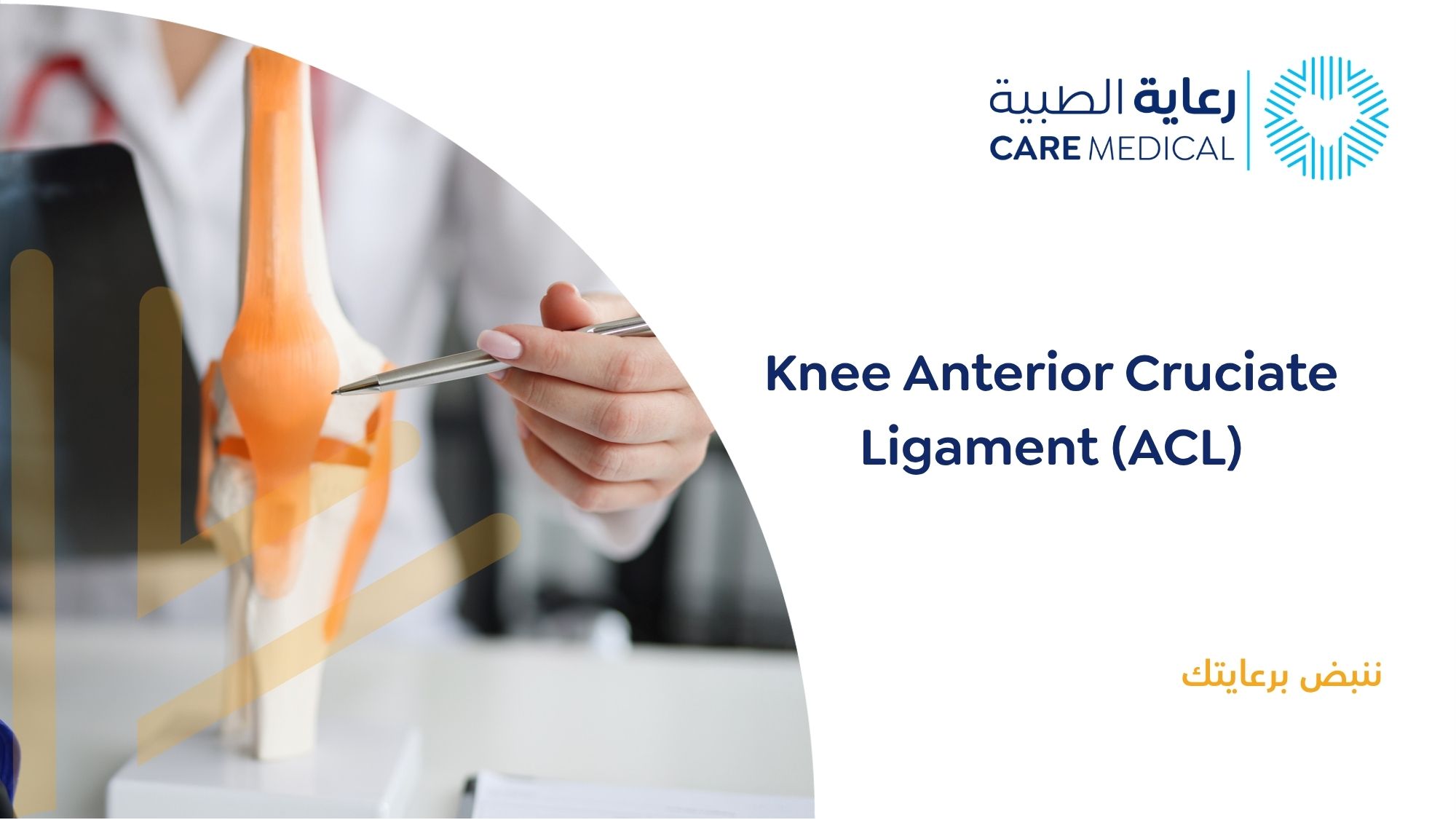
Knee Anterior Cruciate Ligament (ACL) injuries are among the most common injuries among athletes. An ACL tear occurs during sports, fitness activities, or other physical movements in cases of sudden deceleration and change of direction, improper landing after jumping, or when the knee twists while the feet are firmly planted on the ground.
An ACL tear leads to rapid knee swelling, a sense of instability or imbalance when attempting to walk or move, and immediate pain at the time of injury.
ACL reconstruction surgery is performed by taking a tendon graft—from the knee, ankle, or a deceased donor—and securing it with screws or metal loops inside tunnels created in the femur and tibia bones to replace the torn ligament. New ligament tissue then regrows over this graft.
To achieve successful results from ACL surgery, the following should be considered:
Before Surgery:
It is not recommended to rush into ACL surgery immediately after the injury (unless there is an associated injury, such as a tear in another knee ligament or a meniscus tear).
Instead, it is preferable to work on reducing swelling, strengthening the quadriceps and hamstring muscles, and regaining full or near-full range of motion, even if this requires physical therapy sessions and ice packs prior to surgery. Meeting these conditions leads to better surgical outcomes. Additionally, choosing a surgeon specialized in sports injuries is crucial for the best possible results.
During Surgery:
Factors contributing to the success of the operation include the surgeon's choice of the appropriate tendon graft for the patient's condition, placing the bone tunnels in the femur and tibia in their precise locations, and selecting a strong, suitable fixation method while ensuring proper graft tension to withstand strenuous conditions. Furthermore, some surgeons use additional synthetic tissue scaffolds for the graft, especially for athletes, which aids in rapid rehabilitation and helps the knee endure difficult conditions in future affects.
After Surgery:
ACL reconstruction requires following specific post-operative instructions to achieve the best results:
Ÿ Wearing a knee brace constantly during the initial phase after surgery to help protect the tendon graft.
Ÿ Practicing walking using crutches or a walker in the first stage until the knee muscles are sufficiently strengthened before discontinuing their use.
Ÿ Following the surgeon’s instructions regarding the regular application of ice packs to the knee.
Ÿ Diligently performing quadriceps strengthening exercises and committing to a regular routine while gradually increasing the knee's range of motion as directed by the surgeon.
Ÿ Not rushing through the physical therapy stages outlined in the protocol designed by the surgeon and implemented by the physical therapist; weight-bearing, walking without a brace, or discarding crutches should only occur at the appropriate time per the surgeon’s guidance.
Ÿ Returning to daily activities or sports requires meeting specific criteria, which must be verified by the surgeon beforehand.