
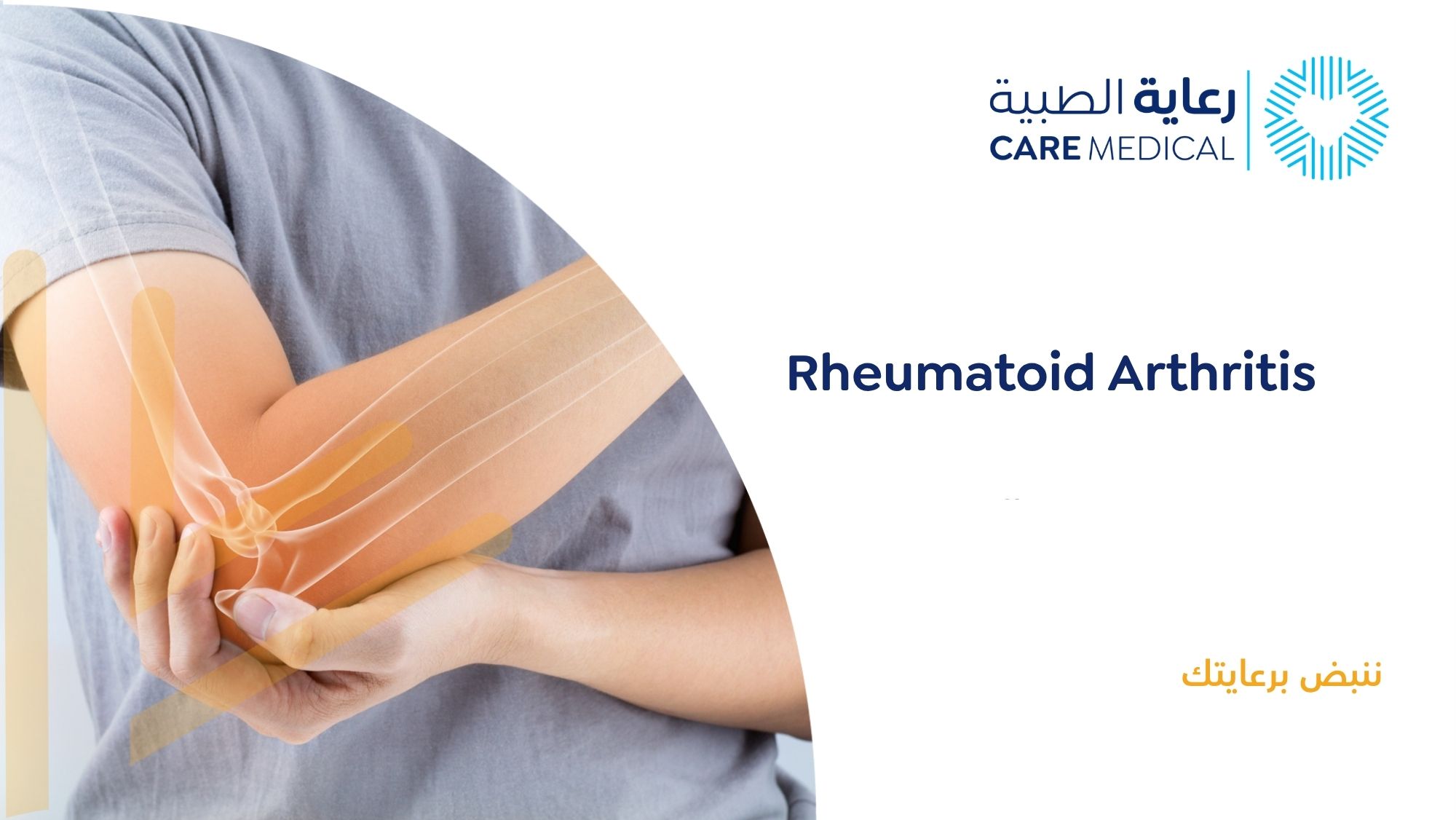
Rheumatoid arthritis (RA) is a chronic disease characterized by periods of activity and remission. Therefore, the intensity of treatment may increase or decrease depending on disease activity. The severity of the condition often worsens with high humidity and tends to improve in dry climates.
Causes of the disease:
One of the main causes of rheumatoid arthritis is a dysfunction of the immune system. Genetics and psychological factors also play an important role in the development of the disease. Therefore, it is essential for those around the patient to provide support, help the patient avoid severe emotional stress, and minimize physical strain.
Types of Rheumatoid Arthritis:
There are two types of rheumatoid arthritis:
Type 1: Rheumatoid factor-positive RA: This type tests positive for rheumatoid factor and is found in approximately 70%of patients.
Type 2: Rheumatoid factor-negative RA: This type tests negative for rheumatoid factor and is generally less severe than the positive type. The severity of the disease varies from patient to patient and can range from mild to moderate to severe.
Symptoms of Rheumatoid Arthritis:
Rheumatoid arthritis affects women more frequently than men, with a ratio of approximately 4:1. It most commonly occurs in middle-aged individuals (20–40 years old), but it can develop at any age, including in children and the elderly.
The most important symptoms of the disease include:
Joint stiffness upon waking, which gradually subsides after a period that may be longer or shorter depending on the severity of the disease. After the stiffness resolves, the patient experiences severe pain in the affected joints.
Joint inflammation may be preceded or accompanied by other symptoms, such as general weakness, weight loss, a mild increase in body temperature, and the appearance of subcutaneous nodules around the affected joints on both the right and left sides.
Over time, the disease may spread to involve multiple joints throughout the body, including the lower cervical spine joints, the jaw joints, and the larynx. In rare cases, rheumatoid arthritis may also affect other body systems, such as the heart, lungs, and blood vessels.
Methods of Diagnosis:
- Clinical examination performed by a specialist physician.
- Laboratory tests, which include the rheumatoid factor to differentiate between rheumatoid-negative and rheumatoid arthritis-positive cases.
- Elevated erythrocyte sedimentation rate (ESR) and C-reactive protein (CRP).
- Anemia accompanied by an increase in white blood cell count and platelet count.
- Decreased white blood cell and platelet counts.
- X-rays, which may show erosion of the bones of the affected joints along with osteoporosis around the joints in advanced cases. However, these changes can be detected at an earlier stage using computed tomography (CT) scans.
Treatment of Rheumatoid Arthritis:
Rheumatoid arthritis is a chronic disease, and the medications currently available—so far—aim only to slow or halt disease progression rather than cure it. Therefore, continuous treatment according to the plan established by the treating physician is essential. The management of rheumatoid arthritis is similar to that of diabetes mellitus and hypertension, as treatment is typically required on a long-term, ongoing basis.
Regular follow-up tests are essential and should be performed periodically (every three months), with adjustment of medication types and dosages according to the patient’s condition, either increasing or decreasing based on disease severity.
The most important advice for patients with rheumatoid arthritis is to initiate specialized treatment early, before any joint deformities develop. Once such deformities occur, they cannot be treated with medications and may require surgical intervention. It is worth noting that these deformities often develop within the first two years of the onset of the disease.
When a patient’s condition improves and treatment is discontinued for a month or longer, relapse is likely to occur, with the disease returning in a more severe and aggressive form. Therefore, continuous adherence to treatment is strongly emphasized.