
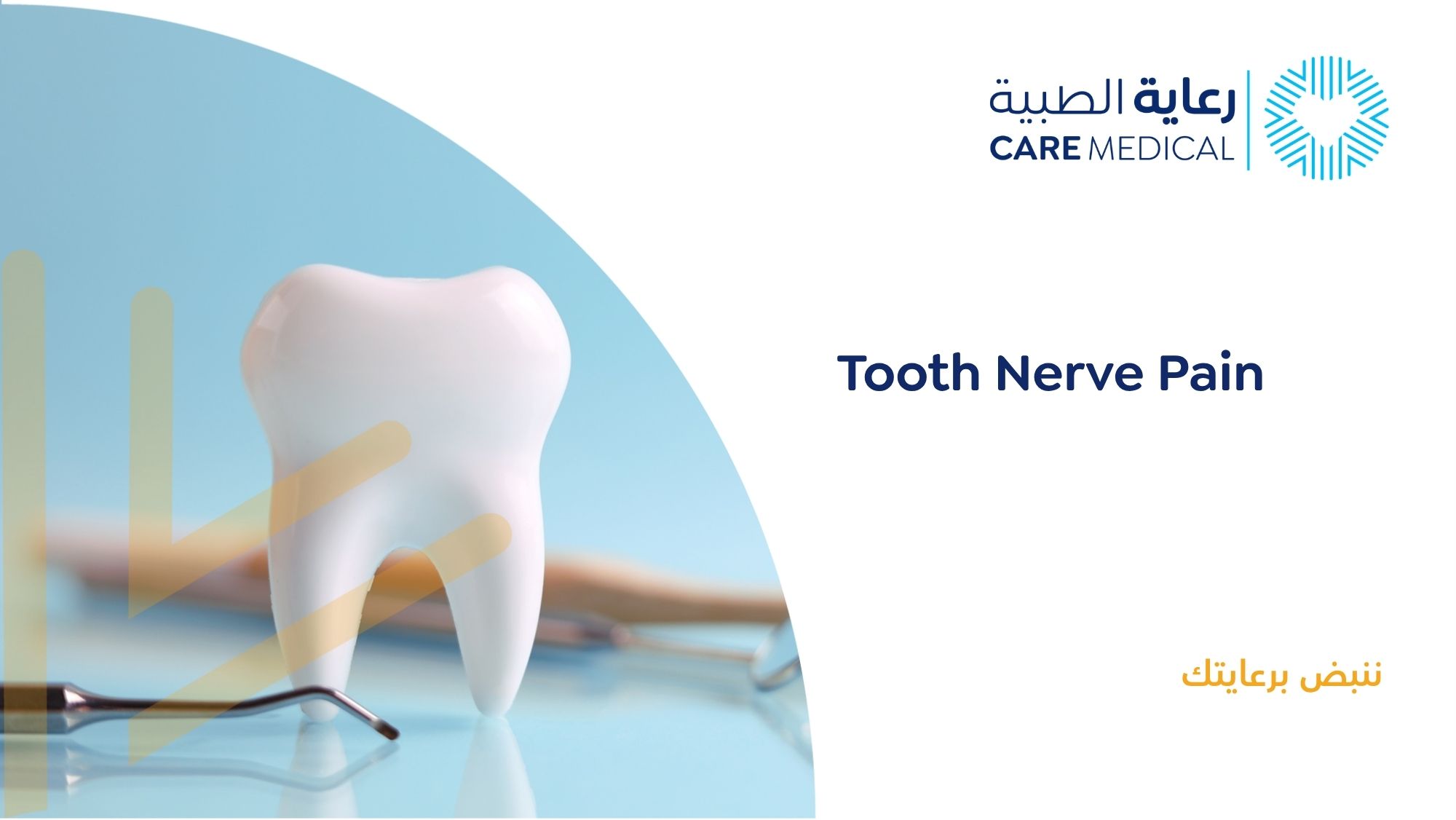
Tooth nerve pain is a condition that arises from the stimulation of nerve endings located in and around the teeth, as well as in the oral mucosa. A tooth consists of two main parts:
- The crown, which is the visible part covered by enamel
- The root, which is embedded within the gum
The tooth is composed of three layers: Enamel: The hard, white outer layer, Dentin: The layer beneath the enamel, Pulp: The soft central area containing nerves, blood vessels, and connective tissue. The dental nerve transmits sensations of cold, heat, and pain. Severe nerve stimulation can cause intense tooth and surrounding facial pain, sometimes accompanied by facial muscle spasms, which typically subside once the inflammation resolves.
How Tooth Decay Develops
Poor oral hygiene and food accumulation can lead to dental caries (tooth decay). Early caries are minor, but if left untreated, they enlarge and may reach the pulp. This infection affects the root canal, causing inflammation and tissue damage.
At this stage, a root canal treatment (pulp removal) is required. This involves removing the infected pulp, cleaning the canal, and filling the space. Root canal therapy does not directly affect the tooth’s functionality and is applied to severely damaged or decayed teeth.
If left untreated in advanced cases, dead pulp tissue and bacteria may form an abscess—a pus-filled pocket at the root tip. This can erode surrounding bone, cause swelling that spreads to the neck, head, or floor of the mouth, and in some cases form a fistula that drains pus alongside the tooth.
Causes of Tooth Nerve Pain
- Inflammation or infection in the tooth roots or gums
- Severe trauma to the face or jaw causing tooth fracture
- Impacted teeth that lack sufficient space to emerge normally
- Sinusitis or nasal infections (which may radiate pain to the teeth)
- Dental caries, caused by:
- Food debris trapped between teeth, especially in gaps
- Poor oral hygiene
- Genetic predisposition
When to See Your Dentist at Raya Care Hospitals
You should consult your dentist if you experience:
- Severe tooth pain when chewing
- Prolonged sensitivity or pain when consuming hot or cold drinks
- Tooth discoloration
- Gum swelling or pain
- Gum abscesses or bumps
- Sometimes, none of these signs are apparent, so regular dental check-ups are recommended.
- Prompt consultation is crucial, as tooth pain generally worsens over time if untreated.
Treatment
When visiting a dentist, the first step is usually a dental X-ray to assess the roots and surrounding bone for signs of infection. The tooth is then accessed by creating a small opening, the pulp (containing dead tissue and bacteria) is removed, and the canal is carefully cleaned to remove any residue. The space is then sealed, often under local anesthesia to ensure patient comfort and ease of treatment.
Antibiotics may be prescribed if there is an abscess, pulp necrosis, or severe infection, based on the dentist’s judgment.
The following measures may help relieve pain temporarily, but they do not cure the underlying problem:
- Rinse your mouth with warm water
- Use dental floss to remove trapped food debris
- Take oral pain relievers—but do not apply aspirin or other medications directly to the gums, as this can cause tissue burns
- Use antiseptic mouthwashes; benzocaine-containing solutions may temporarily reduce gum irritation
- Apply cold compresses if pain is caused by trauma