
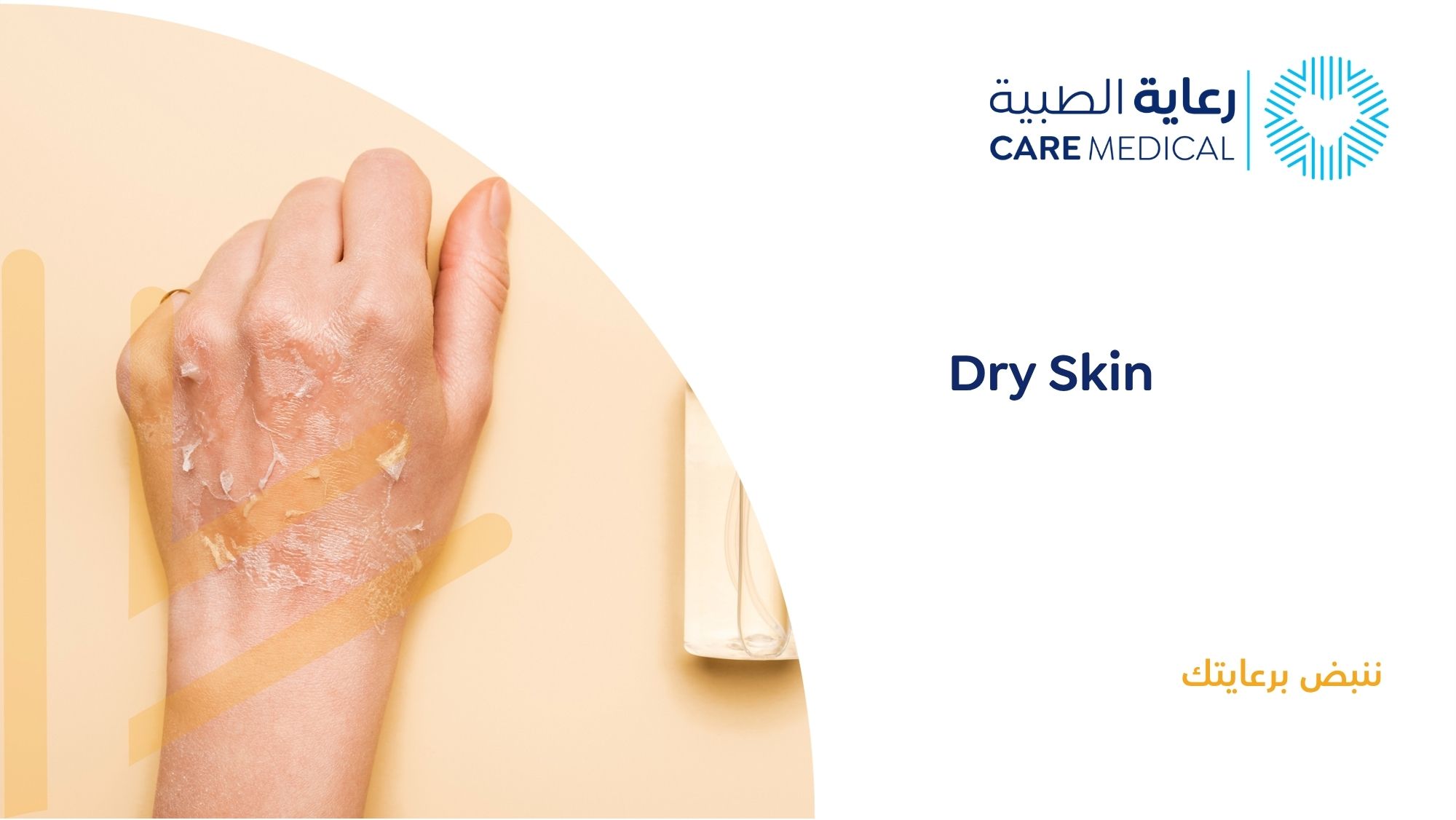
Dry skin is a condition characterized by a decrease in water content within the layers of the skin, particularly the outermost layer. It affects both males and females, but older adults are more susceptible.
Human skin is naturally soft and elastic due to its water content. To retain this moisture, the outer layer of the skin contains natural oils that reduce evaporation and help maintain hydration in the deeper layers. When these oils are depleted, a condition known as dry skin occurs.
Who is most at risk of dry skin?
Dry skin is more common among older adults than younger individuals, as the activity of sweat and sebaceous glands decreases, in addition to hormonal changes that occur in the body. People with diabetes are also at a higher risk of developing dry skin.
Causes of Dry Skin:
Dry skin results from a lack of the natural oils in the outer layer of the skin and often occurs due to environmental factors, the most important of which include:
- External and environmental factors.
- Cold temperatures.
- Low humidity levels, especially during the winter season
- Excessive washing with soap.
- Overuse of antiseptics and cleaning products containing alcohol
- Thyroid disorders.
- Asthma or allergies.
- Excessive use of hot water while showering or washing.
- Frequent bathing.
- Living in low-humidity or cold environments.
- Using a towel too vigorously.
- Use of central heating at home or in the workplace.
- Not drinking enough water.
- Excessive sun exposure.
- Exposure to chlorine in swimming pools.
- Dry skin may occur as a symptom of certain conditions, such as thyroid disease, ringworm, and psoriasis
Symptoms:
Itching and skin peeling (especially on the hands and feet) are among the most common symptoms of dry skin. Other important symptoms include:
- Pain and redness in the skin.
- Tight skin, especially after showering.
- Skin that peels easily.
- Cracked lips.
Treatment of Dry Skin:
The goal of treating dry skin is to relieve its associated symptoms. Dry skin can often be treated at home by regular use of moisturizers. Oily moisturizing creams are generally preferred over water-based creams, which may worsen the symptoms. Before applying treatments, it is important to modify behaviors that contribute to dry skin, such as prolonged immersion of the hands in water.
A topical cream containing 1% hydrocortisone can be used in cases of excessive itching. Consult a pharmacist to select the most appropriate cream for your condition. Coconut oil can also help maintain skin hydration and reduce itching. Wearing gloves is recommended to accelerate the healing process.
When should you see a dermatologist at Care Hospitals?
You may have a bacterial or fungal infection or an allergy. Germs can also enter through breaks in the skin and cause infection. It is recommended to see a dermatologist in the following cases:
- Bleeding from the skin.
- Peeling over large areas of the skin.
- Presence of a ring-shaped rash.
- Skin condition that does not improve within two weeks.
- Skin condition worsens despite treatment.
Complications of Dry Skin:
Dry skin is usually harmless, but if not properly cared for, it may lead to the following:
- Atopic dermatitis (eczema).
- Bacterial or fungal infections, as bacteria can easily enter through cracks in the skin.
Tips for Dry Skin:
- Avoid using aloe vera juice for treatment, as it may increase skin sensitivity.
- Avoid factors that can cause dry skin, such as exposure to hot water.
- Drink plenty of water.
- Do not ignore dry skin, as it may be a symptom of an underlying medical condition.
- Use moisturizers regularly, especially for individuals over the age of 40.