
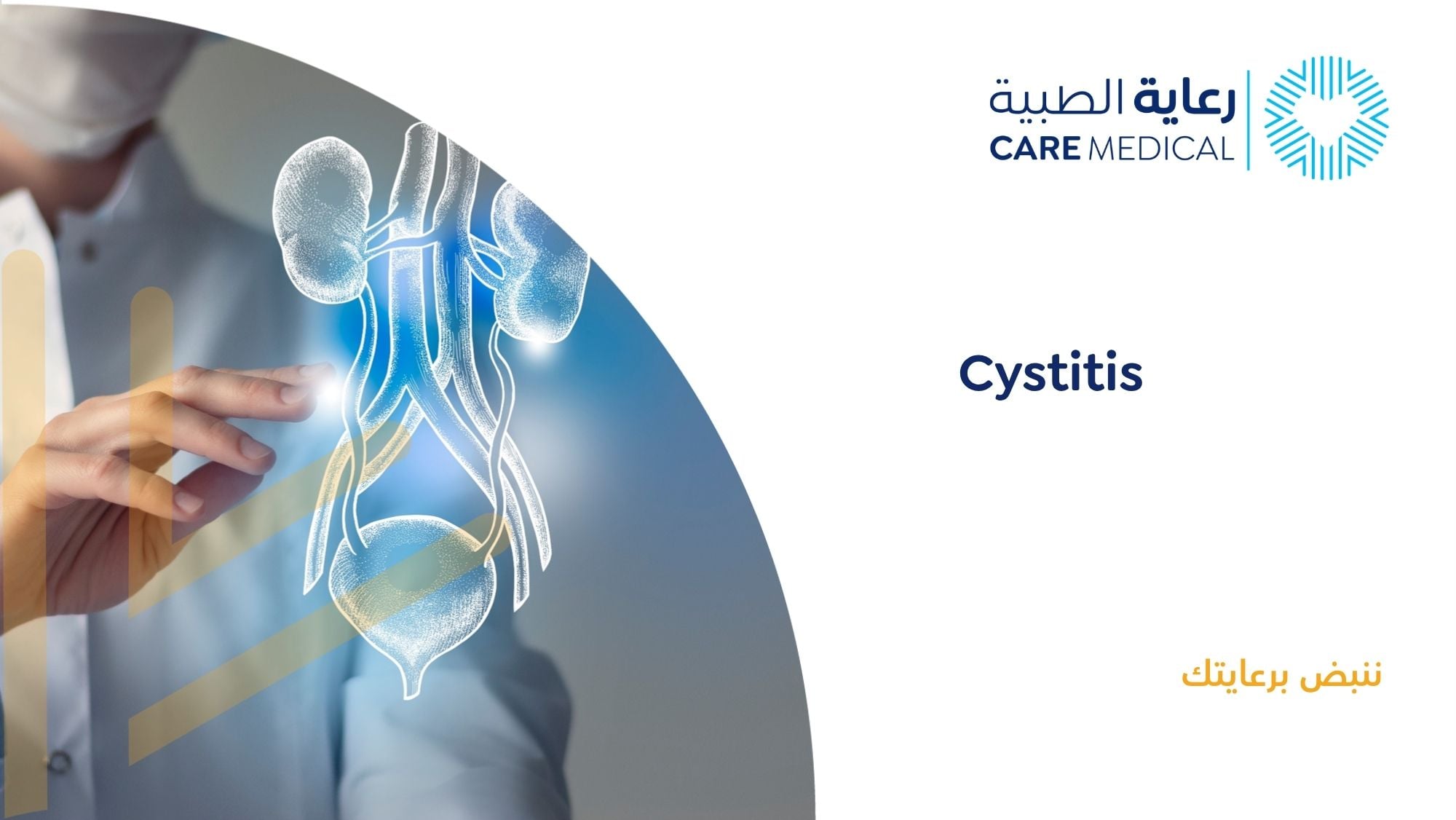
Cystitis is a painful and uncomfortable medical condition for patients, especially women, as cystitis infections occur at a much higher rate in women than in men.
Causes of Cystitis:
Urinary tract infections are the most common cause of recurrent cystitis, where bacterial infection leads to bladder irritation and swelling, resulting in a persistent urge to urinate. The causes of cystitis can be summarized as follows:
- Escherichia coli (E. coli): E. coli bacteria live naturally in the intestines and on the skin, providing essential nutrients to the body in these areas. However, when these bacteria leak into the urethra and reach the bladder, they cause bladder infection and inflammation. Several factors can facilitate this bacterial leakage, including:
- Sexual intercourse.
- Urinary catheterization.
- Pregnancy.
- Reaching menopause.
- Chemicals: Personal care products used for cleaning sensitive areas, such as bubble baths and feminine washes, can cause cystitis.
- Chemotherapy: Receiving doses of chemotherapy sometimes results in cystitis.
- Surgery: Infection may occur during, after bladder surgery, or during the insertion of a urinary catheter.
- Radiation Therapy: Receiving radiation doses in the pelvic area can cause bladder inflammation.
- Kidney Stones: Kidney stones block the urinary tract, facilitating the occurrence of bladder infections.
- Enlarged Prostate: Conditions such as an enlarged prostate gland are among the most important causes of cystitis in men.
- Medications: Certain medications can weaken immunity and increase the risk of infection and cystitis.
- Diabetes.
- Weak immune system.
Symptoms of Acute Cystitis:
- A strong and persistent urge to urinate.
- The continued urge to urinate despite emptying the bladder.
- Burning sensation during urination.
- Cloudy or dark-colored urine.
- Foul-smelling urine.
- High temperature or fever resulting from a urinary tract infection.
- Appearance of blood spots in the urine.
- Pain during intercourse.
- Feeling of pressure and fullness inside the bladder.
- Abdominal and back cramps and pain in the lower stomach.
- General body weakness.
Bacterial infection may reach the kidneys, causing serious complications, at which point the patient may notice the following symptoms:
- Vomiting.
- Nausea.
- Pain in the back and sides.
- Tremors or chills.