
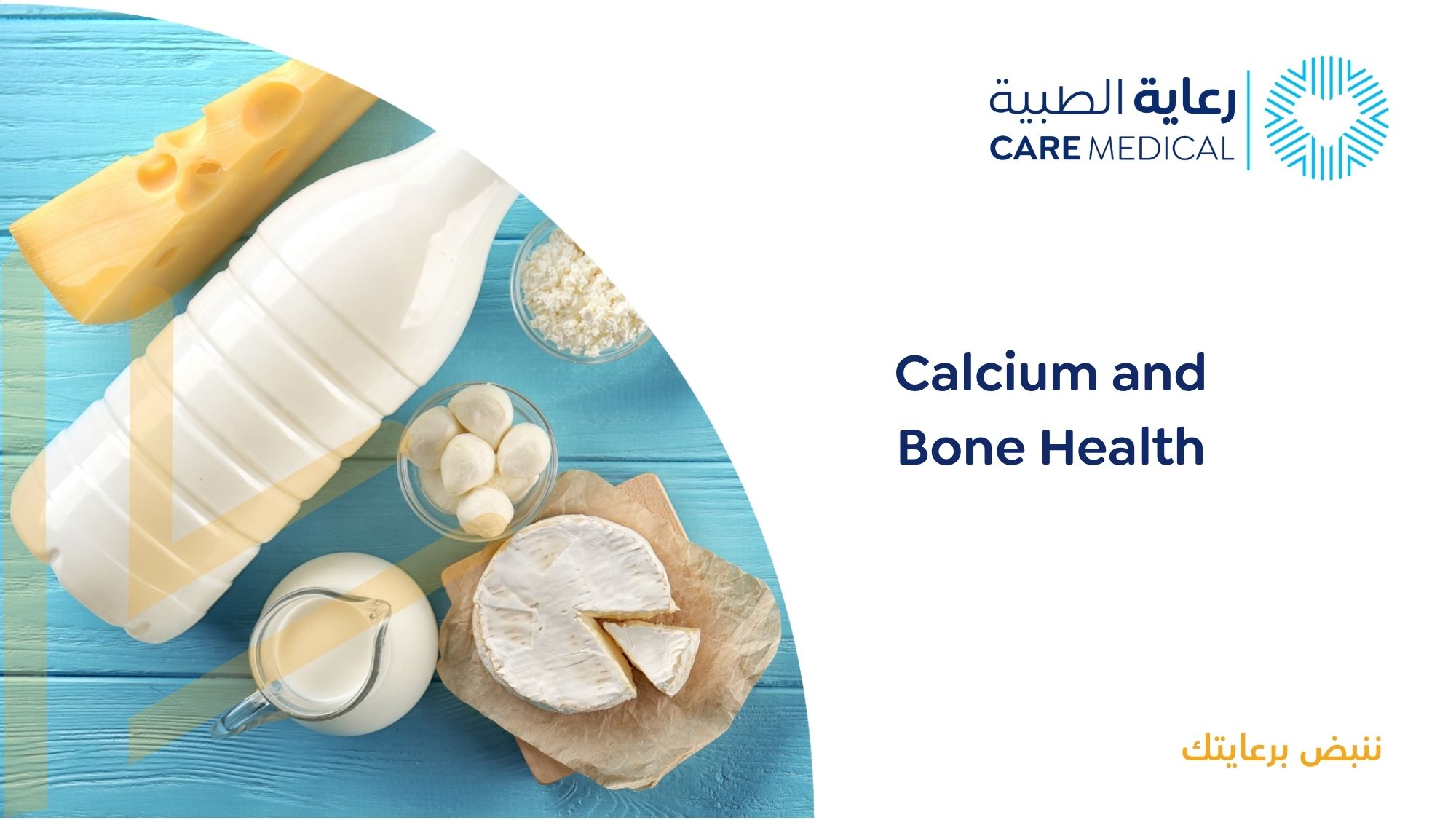
The health and strength of our bones depend on a balanced diet and adequate intake of essential nutrients, most importantly calcium and vitamin D. Calcium is a vital mineral required by the body for building bones and teeth, and it also plays a crucial role in other bodily functions, such as regulating muscle contractions and supporting cardiovascular health.
The body does not produce calcium; it must be absorbed from the foods we consume. For optimal absorption, calcium requires the presence of vitamin D. When dietary calcium intake is insufficient, the body draws calcium from its storage in the bones. Over time, this can weaken the bones and increase the risk of developingosteoporosis.
Women are particularly prone to osteoporosis after menopause due to the loss of estrogen, insufficient calcium and vitamin D intake earlier in life, and a lack of physical activity. These are key factors contributing to the development of osteoporosis. Men are also at risk, usually at a later age than women, making adequate calcium intake important for both genders.
Calcium is the most abundant mineral in the human body, accounting for about 99% of the body’s total mineral content, primarily stored in the bones and teeth. It is essential to consume sufficient amounts of calcium during the first three decades of life to prevent future bone weakness.
Functions of Calcium
- Maintains the strength and integrity of bones and teeth.
- Plays a key role in blood clotting during bleeding.
- Activates hormones and enzymes in the body.
- Regulates blood pressure.
- Supports brain health.
- Facilitates nerve signal transmission.
- Regulates muscle contractions, including the heart.
Dietary Sources of Calcium
The recommended daily intake of calcium can be obtained through a healthy and balanced diet that includes a variety of calcium-rich foods. Dairy products such as milk, yogurt, cheese, and other dairy items are the primary sources of dietary calcium. In addition, there are other foods that contain high levels of calcium, including:
- Turnip greens, broccoli, and other dark green leafy vegetables.
- Soft-boned fish: Sardines, salmon, and other fish with soft, edible bones.
- Bread, pasta, and cereals.
Some foods and beverages can hinder calcium absorption. For example, carbonated soft drinks should be limited, not only for overall nutritional reasons but also because they reduce calcium absorption in the intestines.
Factors That Reduce Calcium Absorption
- Age: Children absorb about 75% of dietary calcium, while older adults absorb only about 30%.
- Type of food: Excess proteins, fats, and phosphorus (found in carbonated drinks) can impair calcium absorption.
- Chemical compounds: Oxalic acid in spinach, as well as tea, coffee, and smoking, reduce absorption.
- Female hormones: The loss of estrogen after menopause decreases calcium absorption.
- Lack of exercise negatively affects calcium absorption and bone health