
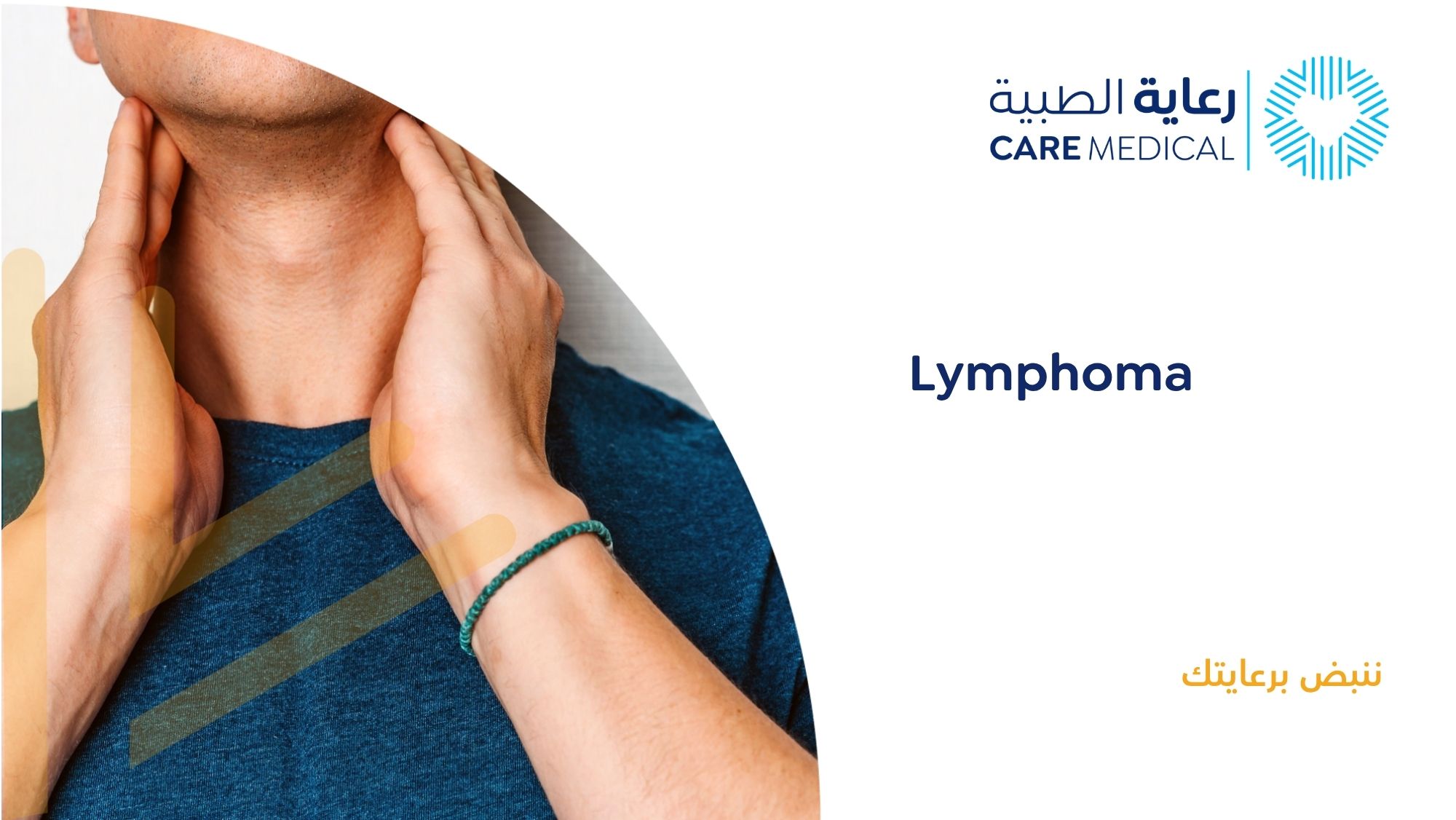
Lymph nodes, also called lymphatic glands, play a vital role in the body's ability to fight viruses, bacteria, and other disease-causing agents. The lymphatic system consists of a network of organs, vessels, and lymph nodes distributed throughout the body. There are approximately 600 lymph nodes, most of which are located in the head and neck, as well as in the armpit and groin regions.
A lymph node is a small, bean-shaped structure, consisting of a cluster of cells enclosed in a capsule of connective tissue. These cells are lymphocytes that produce proteins and molecules which capture microbes, such as viruses. Lymphocytes function to filter the lymphatic fluid circulating throughout the body.
Lymph nodes are located in groups, with each group corresponding to a specific area of the body. Swelling often occurs in the neck, under the chin, the armpits, and the groin. The location of the swollen lymph nodes can also help determine the underlying cause of the condition.
Lymph nodes often swell due to inflammation caused by an infection. However, there are many possible causes of lymph node enlargement, and the treatment of inflamed or swollen lymph nodes depends on the underlying cause.
Symptoms:
The symptoms of lymphoma are similar in children and adults. The most important signs and symptoms of the disease include:
- Swelling of lymph nodes in the body (which may be painful or painless).
- Feeling of fatigue and exhaustion.
- Fever and chills.
- Night sweats.
- Unexplained weight loss.
Causes:
The exact causes of lymphoma remain unclear. However, there are certain factors that may increase the risk of developing the disease, such as:
- Immune system disorders.
- Viral infections (such as HIV and hepatitis C).
- Bacterial infections.
- Exposure to chemicals, including pesticides, fertilizers, and solvents.
Diagnosis:
The doctor takes the patient’s medical history and performs a physical examination, asking about how the lymph node swelling appeared, as well as other signs and symptoms. The doctor assesses the size, temperature, tenderness, texture, and location of the swelling, along with any accompanying signs and symptoms that may indicate the underlying cause. In addition, the doctor may order laboratory tests to help confirm the diagnosis.
These include the following:
- Blood Tests:
Depending on what the doctor suspects as the cause of the swelling, certain blood tests may be ordered to confirm the diagnosis. These include a complete blood count (CBC) to detect any disorders or infections, such as white blood cell diseases or leukemia.
- Chest X-ray or CT Scan:
Scanning the affected areas can help identify potential sources of infection or detect tumors.
- Lymph Node Biopsy:
If the doctor cannot confirm the diagnosis, it may be helpful to take a sample of the lymph node-or the entire lymph node-for microscopic examination.
Treatment:
The treatment depends on the type of cancer, its rate of growth, and the stage at diagnosis. It is also important to consider the patient’s age and overall health. Treatment may include radiation therapy, surgery, or chemotherapy.
Prevention:
The best way to prevent lymphoma is through health awareness about the disease (knowing the key symptoms and signs) which helps in early detection and treatment. Additionally, avoiding risk factors, such as exposure to harmful chemicals, can help reduce the likelihood of developing this type of cancer.