
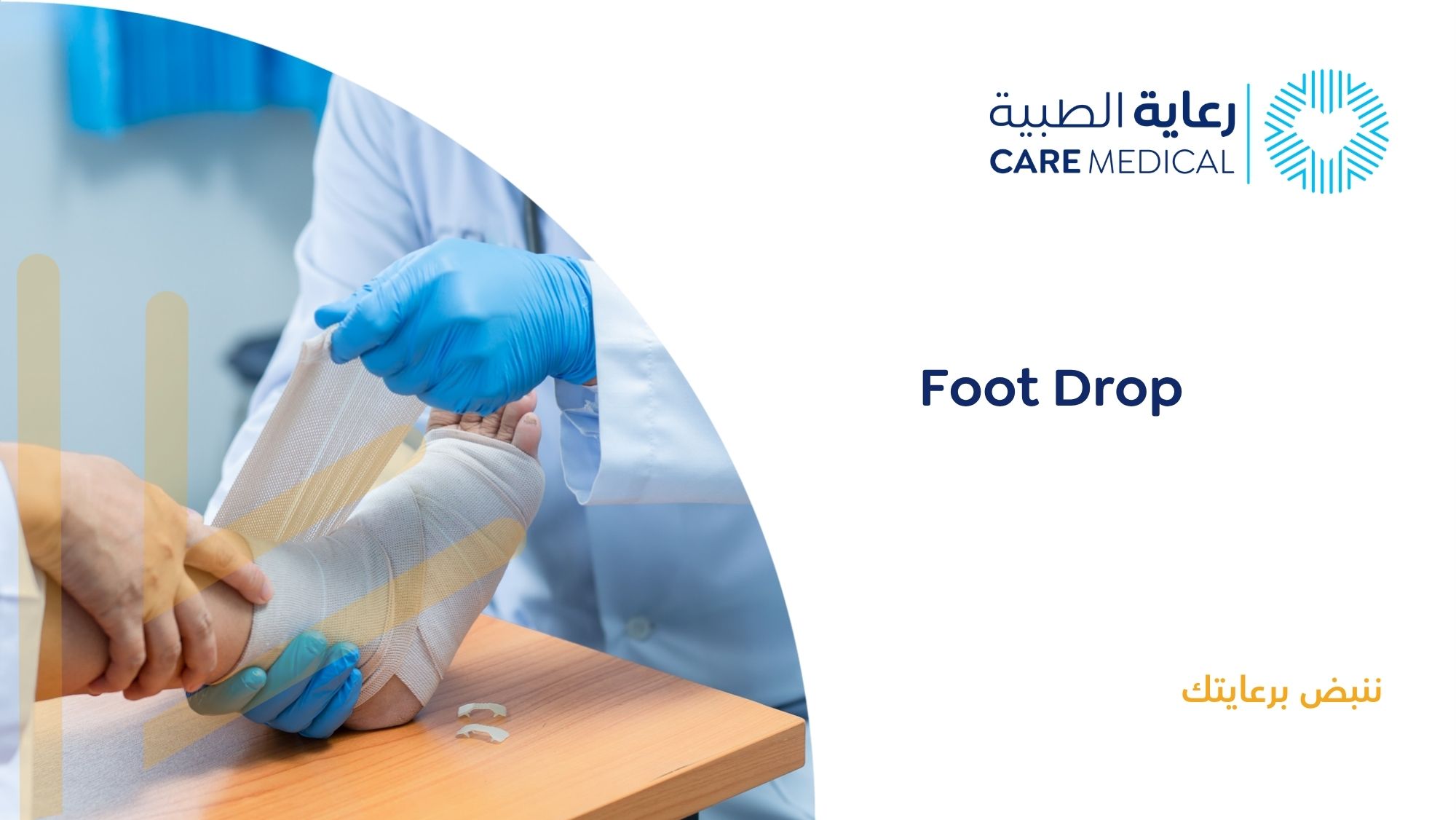
What is Foot Drop?
Foot drop, also known as "dropped foot," is a term used to describe difficulty lifting the front part of the foot. This condition creates challenges while walking; individuals with foot drop often adopt a gait where they lift their knees higher than normal (steppage gait).
Foot drop is considered a symptom of an underlying issue, such as neurological syndromes, Multiple Sclerosis (MS), or nerve damage and weakness in the legs. It can occur in the left foot, the right foot, or both (bilateral). The causes of foot drop in the right foot are typically the same as those affecting the left foot.
Causes of Foot Drop
The primary cause of foot drop is weakness in the muscles responsible for lifting the foot, or an issue with the nerves in the lower spine, leg, or foot. Foot drop is typically a symptom of an underlying medical condition. The most significant causes include:
Neurological Causes: An impairment in one of the nerves connected to the feet can lead to foot drop. These include:
Radiculopathy: This occurs due to irritation or compression of a nerve root in the lumbar spine.
Peripheral Neuropathy: Damage to a peripheral nerve in the leg, such as Peroneal Nerve Neuropathy or Sciatic Nerve Neuropathy.
Lumbosacral Plexopathy: Damage to a network of nerves (plexus) in the lumbar and sacral spine.
Systemic and Genetic Nerve Damage: Nerve damage in the legs or feet can result from systemic diseases or genetic disorders, such as Diabetes, Vasculitis, and hereditary neuropathies.
Muscular Causes: Foot drop can result from weakness or paralysis of the tibialis anterior muscle, the peroneal muscles, or even dysfunction in the hip muscles. Examples of muscular disorders include:
Muscular Dystrophy.
Amyotrophic Lateral Sclerosis (ALS).
Polio: This is a reason why foot drop may occur in children.
Brain and Central Nervous System Disorders: Certain brain disorders can contribute to the development of foot drop, including:
Multiple Sclerosis (MS).
Stroke.
Charcot-Marie-Tooth Disease.
Symptoms of Foot Drop
Ÿ Foot drop results in the inability to lift the foot off the ground. Signs and symptoms include:
Ÿ Inability to wear shoes comfortably: Difficulty dragging the affected foot while walking makes wearing shoes challenging.
Ÿ Frequent Tripping: Caused by weakness in the foot and toe muscles.
Ÿ Falls: Loss of balance due to the inability to properly lift the front part of the foot and toes while walking.
Ÿ Steppage Gait: Walking by lifting the thigh excessively high (similar to climbing stairs) to prevent the toes from striking or scraping the ground.
Ÿ Circumduction Gait: Attempting to walk by keeping the leg straight and swinging it to the side in a semicircle to avoid falling.
Ÿ Foot Limping and difficulty climbing stairs.
Ÿ Numbness and Loss of Sensation: Specifically in the front or outer part of the lower leg and along the top of the foot.
Ÿ Muscle Atrophy (Decreased Muscle Mass): Muscle weakness leads to loss of mass, especially when foot drop is caused by autoimmune diseases like Multiple Sclerosis.
Ÿ Romberg's Sign: Loss of balance when standing unsupported with eyes closed.
Ÿ Tingling and Pain: Occurs in specific areas of the foot and leg if nerve compression is present.
Ÿ Range of Motion Weakness: Difficulty moving the foot up (Dorsiflexion) or down at the ankle joint, or moving it inward/outward.
How is Foot Drop Diagnosed?
Foot drop is often diagnosed through clinical observation of the patient's movement. Diagnostic methods include:
Ÿ Physical Examination: Checking leg muscle strength and conducting a Gait Analysis (observing the way the patient walks).
Ÿ Imaging Tests: X-rays.
Ÿ Ultrasound.
Ÿ Computed Tomography (CT Scan).
Ÿ Electromyography (EMG): Inserting needle electrodes into the muscles to record and analyze their electrical activity.
Treatment of Foot Drop
Ÿ The treatment of foot drop primarily depends on the underlying cause and the progression of the condition. Treatment for both adults and children includes the following methods:
Ÿ Addressing the primary issue, such as treating a herniated disc or resolving specific neurological conditions. A variety of orthotic devices are available, such as braces and splints. Some are worn inside the shoe, while others are secured around the ankle or near the knee.
Ÿ Ankle-Foot Orthosis (AFO): This device helps maintain the foot at a 90-degree angle to the lower leg for support, improving the gait when foot ligaments are weak.
Ÿ Electrical Stimulation: Nerve Stimulation: Used to enhance walking ability.
Ÿ Functional Electrical Stimulation (FES): Small wearable devices placed near the knee that respond to leg movement and send mild electrical impulses to the muscle, assisting it in moving correctly.
Ÿ Physical Therapy: Targeted exercises contribute to strengthening the leg muscles and improving overall flexibility and range of motion.
Ÿ Surgical Intervention: Surgery is considered if orthotics and physical therapy fail to correct the muscle laxity. Surgical options include:
Ÿ Tendon Transfer: A procedure where a functioning tendon is moved from one part of the foot to the top of the foot to take over the function of the Tibialis Anterior muscle.
Ÿ Ankle and Foot Fusion (Arthrodesis): This involves fusing the bones to relieve the burden on the peroneal muscle; however, this procedure reduces ankle flexibility.